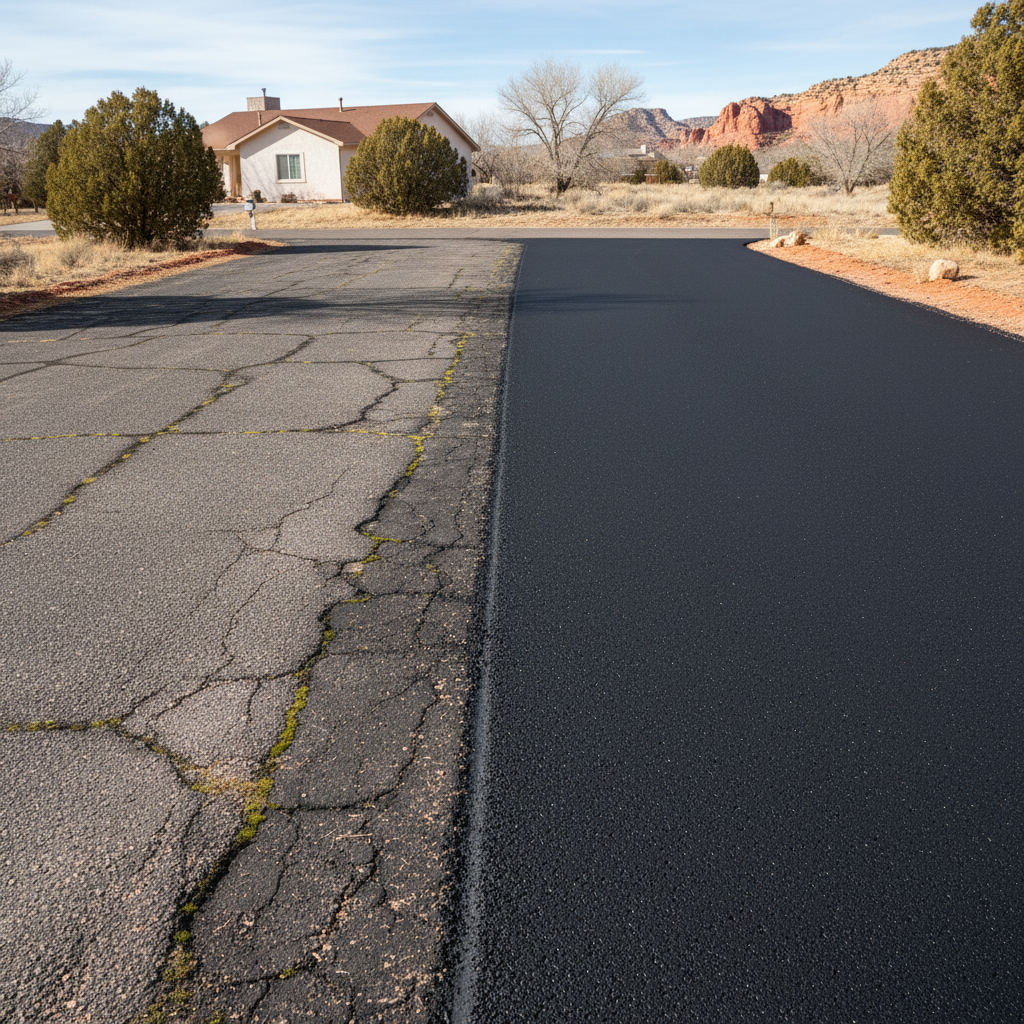
So, you're thinking about paving a new parking spot or maybe redoing an old one at your place. Chances are, you've heard of the two big players: asphalt and concrete. But which one's actually better for your Veyo home? Honestly, there's no single easy answer. Still, I've laid enough of both to give you the real story.
Cost: What You'll Pay Upfront
Let's just get the money talk out of the way first, because that's usually the main thing on everyone's mind. Generally, asphalt almost always costs less to install than concrete, at least initially. You'll see a lower price per square foot for asphalt. That's because the materials themselves are cheaper, and we can often put it down quicker.
Concrete, on the other hand, definitely costs more upfront. The materials are pricier, and the whole installation process takes a bit longer — it's more labor-intensive, you know? We have to pour it, smooth it out, and then let it cure properly, which isn't a fast job. So, if your budget is super tight right now, asphalt will probably look like the better deal.
Durability & Lifespan: How Long Will It Last?
This is where things get interesting, especially when you consider our Veyo climate. Concrete is incredibly tough. It can easily last 30 years or even more if it's installed correctly and you take care of it. It really holds up against heavy loads and doesn't get soft in the summer heat like asphalt can.
Asphalt is tough too, don't get me wrong, but its lifespan is usually shorter, maybe 15-20 years. The big issue for asphalt in our area is those wild temperature swings. We get scorching Veyo summers, then freezing winters. Asphalt expands and contracts more with these changes, which can lead to cracking over time. Plus, heavy vehicles can cause ruts or depressions in asphalt, especially when it's hot.
Now, here's a specific Veyo thing to think about: our soil. We've got a lot of expansive clay soil around here. When that soil gets wet and then dries out, it moves. This movement can really stress any paving material. Concrete, being more rigid, might crack if the sub-base isn't perfectly prepared to handle that soil movement. Asphalt, which is a bit more flexible, can sometimes tolerate minor soil shifts better without cracking right away, but it's certainly not immune.
Maintenance: Keeping It Looking Good
No paving option is truly maintenance-free; anyone who tells you that is selling something. But there are definitely differences.
With asphalt, you'll need to sealcoat it every few years. This isn't just about making it look pretty; it protects the surface from UV rays, water, and chemicals, which really extends its life. You'll also need to fill cracks as they pop up. It's pretty straightforward work, and it keeps water from getting under the pavement and causing bigger headaches.
Concrete needs less maintenance in terms of regular sealing, but it's not zero. You might want to seal it every 3-5 years to protect against stains and moisture, especially if you've got vehicles that leak oil. The big maintenance problem with concrete is cracking. Once a crack starts, it's much harder to fix it seamlessly. You can fill them, sure, but it's not as easy to make it disappear as it is with asphalt crack filling. If a section of concrete really breaks up, you're usually looking at replacing that entire slab. What a pain!
Appearance: What Do You Want It To Look Like?
This is purely a matter of personal taste. Asphalt gives you that classic dark, smooth look. It's uniform and can look really sharp, especially right after it's been sealcoated. It tends to blend well with all sorts of home styles.
Concrete offers more variety in terms of color and finish. You can get it stamped to look like pavers or stone, or stained a completely different color. It has a lighter, brighter appearance, which some folks prefer. It can also help reflect heat, which might be a small bonus on those 100-degree Veyo days.
So, What's My Recommendation for Veyo Homeowners?
Alright, if you've stuck with me this far, you probably want my honest opinion, right? For most homeowners in Veyo who need a parking lot or driveway, I usually lean towards concrete. Especially if you plan on staying in your home for a long time and your budget can handle the initial investment.
Here's why: while the upfront cost is higher, concrete's longevity and lower routine maintenance often make it the more cost-effective choice over its entire lifespan. Our extreme temperature swings and that expansive Veyo soil can be really tough on asphalt, meaning it needs more frequent and critical maintenance like sealcoating and crack filling to keep it from failing too soon.
Concrete, when installed correctly with a good sub-base and proper expansion joints, handles those conditions better in the long run. You'll get more years out of it with less fuss. Plus, those aesthetic options are a nice bonus.
That said, if you're on a tighter budget or you're not planning on being in the house for decades, asphalt is still a perfectly viable and good option. It's durable enough, and with regular, diligent maintenance, it can serve you well. Just make sure you know what you're signing up for with the upkeep.
No matter which way you go, the most important thing is hiring someone who knows their stuff. A bad installation will cause problems no matter the material. If you're in Veyo or the surrounding areas and want to talk more specifics about your property, give us a call at All Star Asphalt Co. We'd be happy to come out and give you an honest assessment and a solid quote for either option.